Guest
Wiadomości i aktualizacje • 4 min read

Podział systemów poboru opłat w Europie

Utworzony: 19.01.2026

Aktualizacja: 19.01.2026

Dla wielu flot działających w całej Europie opłaty drogowe po cichu stały się jednym z najbardziej złożonych i najmniej przewidywalnych kosztów. To, co kiedyś było stosunkowo prostą kwestią opłat autostradowych, przekształciło się w mozaikę krajowych systemów, technologii i modeli cenowych, które obecnie odzwierciedlają emisje, masę pojazdu, liczbę osi, geografię, a nawet porę dnia.

W 2026 r. opłaty za przejazd nie będą już tylko opłatą infrastrukturalną. Jest to coraz częściej dźwignia polityczna, wykorzystywana przez rządy do finansowania dróg, zarządzania zatorami i przyspieszania przejścia na transport o niższej emisji. Dla operatorów flot ta zmiana ma realne konsekwencje finansowe.

W tym artykule opisano, jak działa system opłat drogowych w Europie, ile floty faktycznie płacą obecnie i jakie zmiany nadejdą w przyszłości.

Dlaczego opłaty drogowe mają znaczenie

Marże w transporcie drogowym są niskie. W ostatnich latach gwałtownie wzrosły koszty paliwa, pracy, ubezpieczenia i przestrzegania przepisów. W tym kontekście opłaty drogowe stają się coraz bardziej znaczące, szczególnie dla operatorów dalekobieżnych i transgranicznych.

W krajach takich jak Niemcy i Austria koszty opłat drogowych za kilometr mogą obecnie konkurować z kosztami paliwa na niektórych trasach. W Europie Środkowej i Wschodniej opłaty drogowe pozostają niższe, ale szybki wzrost i rozbudowa sieci zmniejszają tę lukę. Jednocześnie wprowadzenie opłat opartych na emisji CO₂ oznacza, że dwa identyczne pojazdy mogą podlegać bardzo różnym opłatom drogowym w zależności od ich profilu emisji.

W przypadku flot działających na skalę międzynarodową, opłaty drogowe są brane pod uwagę przy planowaniu tras, zakupie pojazdów i ustalaniu cen.

Jak działa system opłat drogowych w Europie

Nie istnieje jeden europejski system opłat drogowych. Zamiast tego floty muszą poruszać się po różnych podejściach krajowych, które zasadniczo dzielą się na trzy kategorie.

Opłaty drogowe oparte na odległości pobierają opłaty za każdy przejechany kilometr. Są one obecnie dominującym modelem dla pojazdów ciężarowych i są stosowane w krajach takich jak Niemcy, Austria, Polska, Węgry i Belgia.

Winiety czasowe umożliwiają pojazdom korzystanie z sieci drogowej przez określony czas, np. dzień, tydzień lub rok. Tradycyjnie były to przepustki wyświetlane na przedniej szybie, ale coraz częściej mają postać cyfrową.

Systemy hybrydowe łączą płatne drogi z bezpłatnymi alternatywami. Francja, Włochy i Hiszpania stosują modele, w których opłaty obowiązują tylko na określonych trasach.

We wszystkich trzech modelach zmieniona dyrektywa UE w sprawie eurowiniet popycha kraje w kierunku opłat uzależnionych od odległości i emisji spalin. To stale zmniejsza rolę winiet ryczałtowych i zwiększa koszty flot o dużym przebiegu.

Technologia poboru opłat

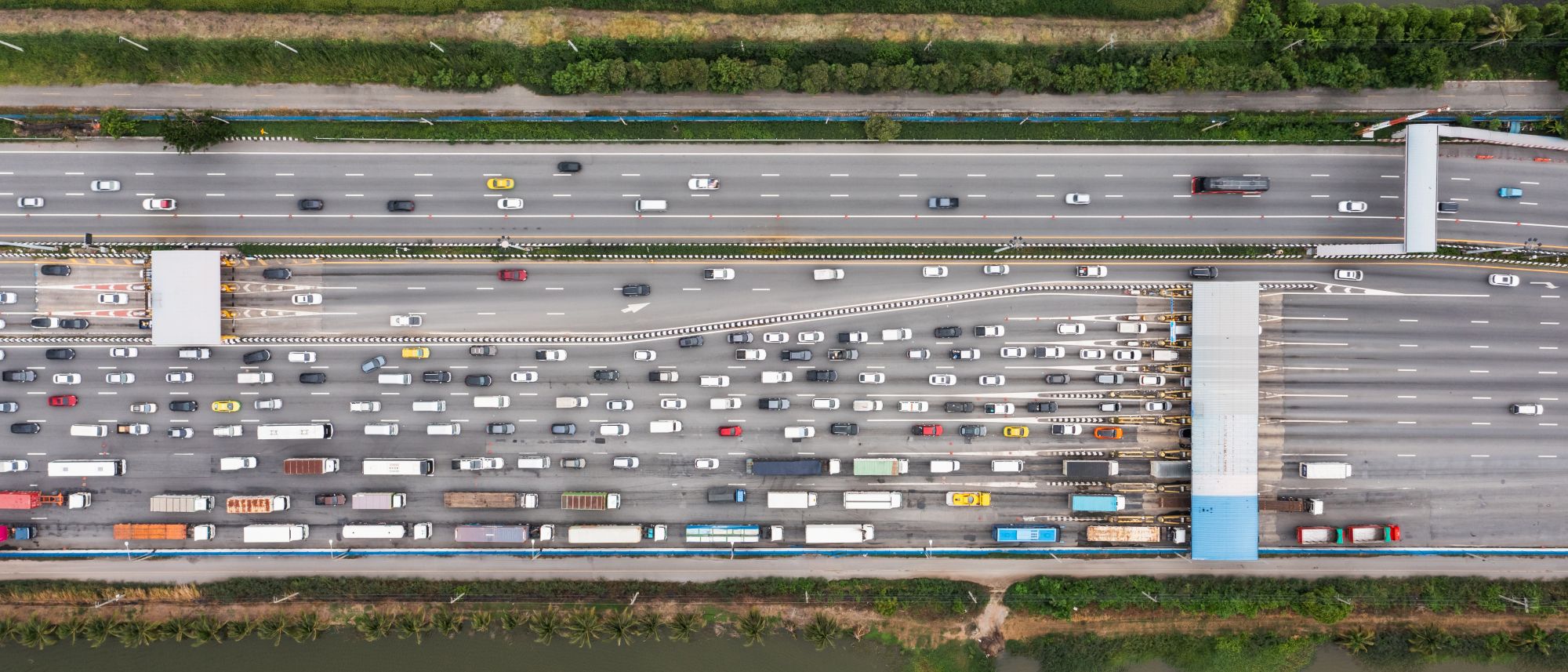
Pod względem operacyjnym system poboru opłat staje się coraz bardziej cyfrowy. Większość systemów opartych na odległości opiera się na śledzeniu GNSS lub GPS za pośrednictwem urządzeń pokładowych (OBU), wspieranych przez przydrożne bramownice, punkty poboru opłat i kamery.

Dla flot oznacza to większą zależność od technologii pokładowej, zaostrzone wymogi zgodności i mniejszą tolerancję dla błędów administracyjnych. Brak płatności na drogach o swobodnym przepływie (gdzie nie ma punktów poboru opłat i nie ma potrzeby zatrzymywania się) może szybko przerodzić się w mandaty, szczególnie dla kierowców międzynarodowych, którzy nie znają lokalnych przepisów.

Interoperacyjne usługi opłat drogowych w ramach europejskiej usługi opłaty elektronicznej (EETS) stają się coraz ważniejsze dla operatorów transgranicznych. Zamiast wyposażać pojazdy w wiele urządzeń pokładowych specyficznych dla danego kraju, floty mogą korzystać z jednego zatwierdzonego urządzenia do uiszczania opłat drogowych w kilku europejskich sieciach. Upraszcza to administrację, zmniejsza koszty instalacji i konserwacji oraz obniża ryzyko niezgodności, gdy pojazdy przemieszczają się między różnymi systemami opłat drogowych.
Podział na kraje

Kraje o wysokich kosztach

Niemcy posiadają jeden z najbardziej kompleksowych systemów opłat drogowych w Europie. LKW-Maut ma zastosowanie do wszystkich samochodów ciężarowych o masie powyżej 3,5 tony na autostradach i drogach federalnych. Od grudnia 2023 r. opłaty drogowe obejmują opłatę za emisję CO₂, która zwiększyła koszty dla pojazdów z silnikiem Diesla. Oficjalne szczegóły zostały opublikowane przez [Toll Collect.] (https://www.toll-collect.de/de/tollcollect/tchomepage.html).

Austriacki GO-Maut jest jednym z najdroższych w przeliczeniu na kilometr w Europie. Ciężarówka przegubowa Euro VI płaciła około [0,50 do 0,53 euro za kilometr] (https://trans.info/en/europe-s-priciest-routes-444305) na autostradach w 2025 roku. System obejmuje elementy infrastruktury, hałasu, zanieczyszczenia powietrza i CO₂. Elektryczne ciężarówki korzystają z niższych stawek. ASFINAG udostępnia pełne tabele taryfowe online.

W Belgii we Flandrii, Walonii i Brukseli obowiązuje opłata drogowa dla samochodów ciężarowych na podstawie przejechanych kilometrów. Stawki różnią się w zależności od regionu, wagi i klasy Euro, z corocznymi podwyżkami. Od 2026 r. pojazdy bezemisyjne nie będą już w pełni zwolnione z opłat, ale nadal będą płacić obniżone opłaty infrastrukturalne. Oficjalne informacje są dostępne na stronie Viapass..

Średnie rynki opłat drogowych

Francja korzysta z modelu koncesji na autostrady. Opłaty obowiązują na trasach obsługiwanych przez prywatne firmy i są uiszczane w punktach poboru opłat lub elektronicznie. Roczne podwyżki są niewielkie i regulowane. Więcej informacji publikuje [Association des Sociétés Françaises d'Autoroutes] (https://www.autoroutes.fr/index.htm).

Włochy stosują podobne podejście oparte na koncesjach. Samochody ciężarowe płacą [około 0,10 euro za kilometr] (https://trans.info/en/europe-s-priciest-routes-444305) w sieci Autostrade. Rząd pracuje nad bardziej dynamicznym poborem opłat do 2026 r., potencjalnie łącząc opłaty z zatłoczeniem i emisjami. Autostrade per l'Italia wyjaśnia zasady naliczania opłat.

Węgierski system HU-GO ma zastosowanie do samochodów ciężarowych o masie powyżej 3,5 tony na autostradach i głównych drogach. W wyniku wysokiej inflacji stawki opłat gwałtownie wzrosły. Oficjalne aktualizacje są publikowane na stronie hu-go.hu..

Rynki o niższych kosztach i rynki przejściowe

Polski system e-TOLL pobiera opłaty za kilometr przy użyciu technologii GNSS (satelitarnej). Stawki wzrosły w 2025 r. i ponownie wzrosną w 2026 r., podczas gdy sieć poboru opłat nadal się rozwija. Oficjalna platforma to etoll.gov.pl..

Hiszpania jest wyjątkowa, ponieważ wiele głównych autostrad stało się płatnych po wygaśnięciu koncesji. Niektóre płatne trasy pozostały, a koszty różnią się w zależności od kilometra dla pojazdów ciężarowych. Stanowisko hiszpańskiego rządu zostało przedstawione za pośrednictwem [Ministerstwa Transportu] (https://www.transportes.gob.es/movilidad-sostenible/actuaciones-prtr).

Obecnie w Rumunii funkcjonuje system winietowy dla samochodów ciężarowych, w którym siedmiodniowy bilet kosztuje około [71 EUR, a roczny 1 425 EUR] (https://www.taxeauto.ro/ro/rovinieta) dla najcięższych pojazdów. Zmieni się to w lipcu 2026 r., kiedy Rumunia wprowadzi system opłat drogowych oparty na odległości o nazwie TollRo. Oczekuje się, że początkowe stawki będą niskie, ale z czasem prawdopodobnie wzrosną. [Aktualne stawki winiet można znaleźć w Internecie] (https://roviniete.ro/ro/).
Zmiany na rok 2026

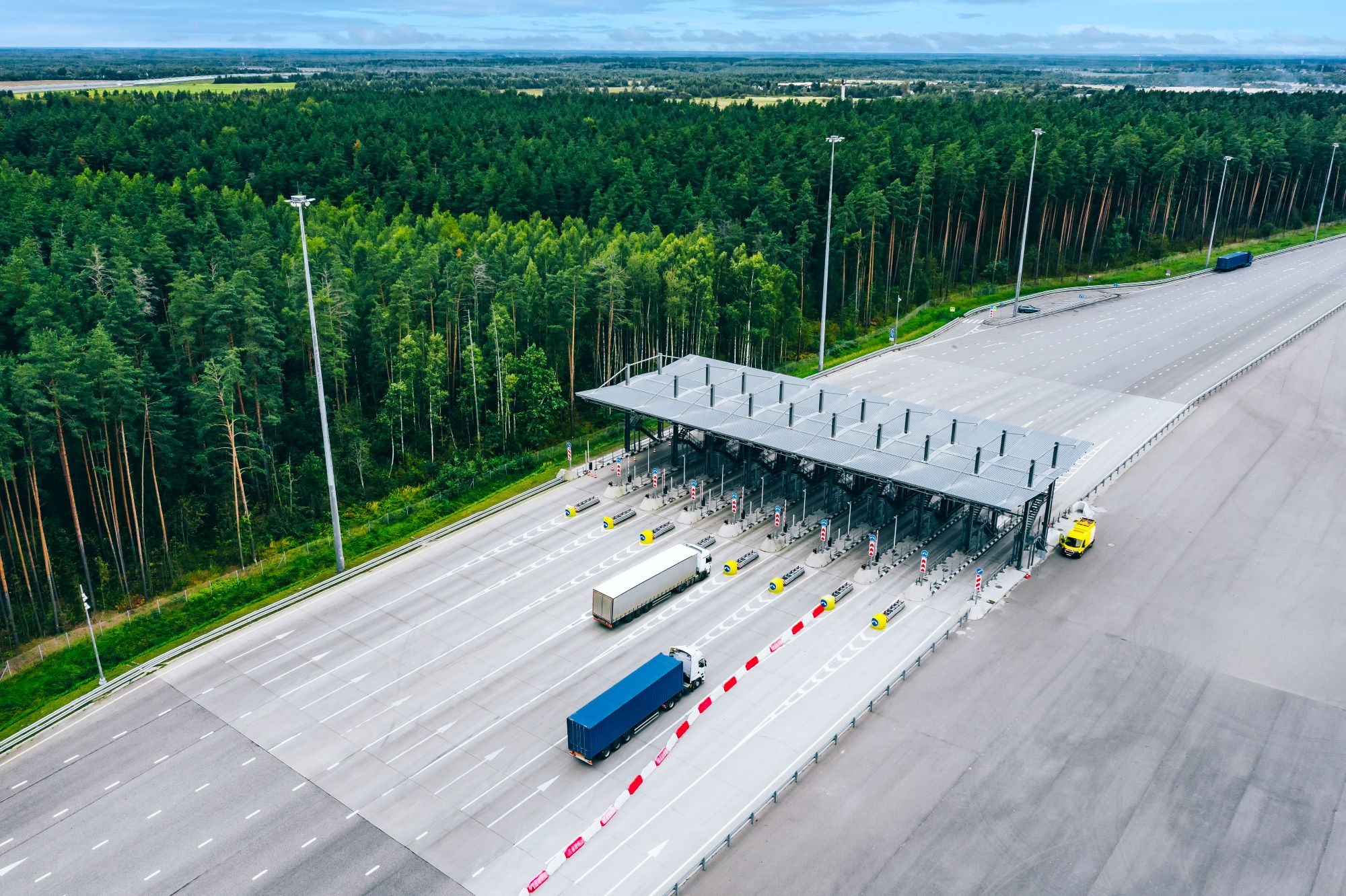
Kilka zmian sprawia, że rok 2026 będzie kluczowy dla europejskiego systemu poboru opłat drogowych.

Od 1 lipca Holandia wprowadzi opłatę za przejazd dla ciężarówek w oparciu o liczbę przejechanych kilometrów, zastępując eurowinietę. Oczekuje się, że średnie stawki wyniosą około 0,19 euro za kilometr, ze zniżkami dla pojazdów niskoemisyjnych. Oficjalne informacje są dostępne na stronie www.vrachtwagenheffing.nl.

Jak wspomniano, Rumunia przejdzie z winiet na opłaty oparte na odległości, dostosowując się do krajów sąsiednich.

W całej Europie zróżnicowanie oparte na CO₂ stanie się standardem, z ograniczonymi zwolnieniami i ściślejszym egzekwowaniem. Elektryczne samochody ciężarowe nadal będą odnosić korzyści, ale pełne zwolnienia są stopniowo zastępowane obniżonymi stawkami, a nie zerowymi opłatami.

Dla flot oznacza to większą ekspozycję na koszty zależne od przebiegu i większą zachętę do inwestowania w czystsze pojazdy i lepsze narzędzia planowania.

Jak opłaty drogowe kształtują zachowanie floty

Operatorzy oceniają obecnie trasy, aby zrównoważyć koszty opłat drogowych z zużyciem paliwa i czasem podróży. Inwestycje w pojazdy spełniające normę Euro 6 i pojazdy bezemisyjne są coraz częściej uzasadniane nie tylko oszczędnością paliwa, ale także obniżeniem opłat drogowych. Ponadto dopłaty do opłat stają się coraz bardziej wyraźne w umowach z klientami, a cyfrowe narzędzia do optymalizacji tras odgrywają coraz większą rolę w codziennych operacjach.

W związku z tym floty potrzebują dokładnych prognoz, aktualnych danych pojazdów i przejrzystego wglądu w ekspozycję na opłaty drogowe w podziale na trasy i klientów. Decyzje dotyczące zakupu pojazdów powinny uwzględniać klasy opłat obok efektywności paliwowej. Operatorzy transgraniczni powinni priorytetowo traktować interoperacyjne rozwiązania w zakresie opłat drogowych i upewnić się, że kierowcy rozumieją lokalne zasady płatności, zwłaszcza na drogach o swobodnym przepływie.

Co najważniejsze, koszty opłat drogowych muszą być w przejrzysty sposób odzwierciedlone w cenach. W miarę jak opłaty za przejazd stają się coraz bardziej zależne od emisji, floty, które planują z wyprzedzeniem, będą w stanie lepiej chronić marże i pozostać konkurencyjnymi.

W przypadku flot nie chodzi już o to, czy opłaty drogowe wzrosną, ale o to, jak dobrze są one przygotowane do zarządzania nimi. W nadchodzących latach nie będzie chodziło tylko o to, jak daleko przejeżdża pojazd, ale jak czysto, gdzie i w jakim systemie.

W miarę jak opłaty drogowe stają się coraz ściślej powiązane z emisjami, przebiegiem i typem pojazdu, zrozumienie, ile płacisz i gdzie, ma większe znaczenie niż kiedykolwiek. SNAP pomaga menedżerom flot i operatorom zarządzać płatnościami i wspierać kierowców w dostępie do bezpiecznych, dobrze wyposażonych postojów dla ciężarówek. Zarejestruj się za darmo już dziś
Udostępnij

Inni również czytają...

Header Image

środa 25 marca 2026 • Wiadomości i aktualizacje

JAK SYSTEMY PREDYKCYJNE OSWAJAJĄ NIEPEWNOŚĆ DOSTAW

Evelyn Long

Delivery operations rarely unfold exactly as planned. Even the most carefully designed logistics schedules must contend with an unpredictable world. Travel congestion can add hours to a route, severe weather can delay entire regions and a single vehicle breakdown can disrupt dozens of deliveries scheduled throughout the day. When these disruptions occur, they often create a chain reaction that affects drivers, warehouses, customers and operational costs. For companies that operate fleets, whether they deliver packages, medical supplies, food or construction materials, this uncertainty can significantly impact business performance. Missed delivery windows frustrate customers and can damage brand reputation. Delays can also increase fuel costs, overtime pay and operational inefficiencies. In industries where margins are tight, even small disruptions can add up quickly.What makes delivery uncertainty especially challenging is how interconnected modern logistics networks have become. A delay at one point in the system can ripple outward, affecting multiple routes and schedules. Without the right tools to anticipate and manage these disruptions, businesses are often forced to react in real time, which can lead to rushed decisions and inefficient solutions.One of the key technologies helping organisations manage delivery uncertainty is the Internet of Things (IoT). IoT refers to networks of connected devices, such as sensors, GPS trackers and telematics systems, that connect and transmit real-time data from vehicles, equipment and infrastructure. In fleet operations, IoT devices can monitor a wide range of conditions. GPS tracking for vehicles on the road. Engine sensors can track vehicle performance and detect early signs of mechanical issues. Temperature sensors can ensure that sensitive cargo remains within required conditions during transit. Together, these data streams create a detailed picture of what’s happening across an entire delivery network. This level of visibility is essential for managing uncertainty. When managers can see where vehicles are, how they’re performing and whether any issues are developing, they can respond much faster. Instead of discovering a problem hours later, they can address it as soon as the warning signs appear. In many cases, this visibility also feeds into predictive systems that analyse the data and forecast potential disruptions before they occur. While IoT provides the data, AI offers the intelligence needed to interpret it. AI systems analyse large volumes of operational information, including traffic patterns, weather forecasts, vehicle performance metrics, delivery history and route efficiency. By identifying patterns in this data, to occur and recommend adjustments. For example, predictive algorithms can analyse historical traffic conditions along a delivery route and estimate when congestion is likely to occur during certain times of day. If the system detects that a particular route will likely experience delays, it can suggest an alternative path before the driver even leaves the depot. Similarly, AI-driven maintenance systems can analyse engine data and identify early warning signs of mechanical problems, allowing repairs to be scheduled before a breakdown occurs on the road. Predictive systems work best when they combine data from multiple sources and translate that information into actionable insights. In a fleet environment, this often means integrating vehicle telematics, weather data, delivery schedules and live traffic information into a single predictive platform. When all of this data is analysed together, the system early. For example, if a severe storm is forecasted along a delivery route, the network can recommend adjusting departure times or rerouting drivers to avoid affected areas. If sensors detect that a vehicle component is likely to fail soon, it can schedule maintenance during planned downtime rather than allowing a breakdown to disrupt deliveries. Over time, these predictive adjustments make delivery operations smoother and more efficient. Routes become more optimised because the system continually learns from previous trips. Maintenance becomes strategic because vehicles are rather than fixed schedules. Even warehouse operations can improve, since more accurate delivery predictions allow teams to better coordinate loading and unloading processes. Beyond preventing disruptions, predictive systems also help fleets operate more efficiently. Businesses that have access to reliable forecasts and operational insights can plan routes, staffing and vehicle usage with greater precision.For instance, predictive analytics can identify patterns in delivery demand, allowing companies to allocate resources where they’re most needed. If certain routes consistently experience delays during specific hours, schedules can be adjusted to avoid those peak periods. Fuel usage can also be optimised by identifying more efficient routes or driving patterns. Over time, these incremental improvements add up. Vehicles spend less time idling in traffic, drivers spend more time completing deliveries rather than waiting or rerouting, and customers receive more accurate delivery estimates, and satisfaction. Another key benefit of predictive technology is the ability to monitor and control systems remotely. As connected devices become more common, consumers and businesses expect this level of oversight and convenience. A survey found that smart garage door openers consider remote monitoring and control to be a crucial feature. While this statistic relates to residential technology, it highlights a broader shift in expectations. People increasingly value the ability to check on systems, receive alerts and manage operations from anywhere. The same mindset is becoming more important in professional logistics environments. Fleet managers want to see vehicle locations in real time, receive notifications about potential issues and make adjustments without needing to be physically present. Predictive systems support this capability by turning complex operational data into clear, actionable insights that can be assessed remotely. While predictive systems provide clear advantages, they also introduce new considerations that businesses must address. In 2024, the of suspected internet crime. As fleets become more connected and reliant on digital platforms, cybersecurity becomes increasingly important. IoT devices, cloud platforms and AI-driven systems all rely on network connectivity and data exchange. Systems that aren’t properly secured could become targets for cyberattacks. A compromised system could disrupt operations, expose sensitive data or interfere with fleet management tools.Delivery uncertainty may never disappear entirely, but predictive systems are making it far more manageable. By combining IoT connectivity with AI-driven analytics, fleet operators can gain deeper visibility into their operations and anticipate problems before they disrupt schedules. As these technologies continue to evolve, they will play an important role in helping fleet-based businesses reduce uncertainty, streamline operations and deliver a more consistent experience for their customers.Discover more from

Header Image

środa 11 marca 2026 • Wiadomości i aktualizacje

PROAKTYWNE WSKAZÓWKI DOTYCZĄCE BEZPIECZEŃSTWA I WYDAJNOŚCI FLOTY O KAŻDEJ PORZE ROKU

Guest

Fleet performance rarely unravels overnight. It slips through small oversights — a missed service interval, worn tread or a delayed depot repair. As a UK fleet manager, the cost of reacting late shows up in downtime, higher insurance premiums and risk to your reputation.Your proactive, seasonal strategy protects the vehicles, drivers and infrastructure before temperature-triggered issues escalate. Align maintenance cycles with weather patterns, operational peaks and compliance demands. Your fleet will be steadier, safer on the road and reduce unwelcome surprises.Reactive fleet management costs you more. Emergency repairs can disrupt tight schedules, strain budgets and frustrate even the best drivers. In contrast, effective forward planning can reduce unplanned downtime and extend vehicle life cycles.Predictive maintenance and seasonal checks are strategic in supporting compliance. The Driver and Vehicle Standards Agency can for roadworthiness at any time, not just during the annual inspection. A prevention-first culture demonstrates your team’s due diligence and strengthens your Operator Compliance Risk Score, without warning.Driver retention links closely to this mindset. Vehicles that are reliable in winter, maintain cabin comfort in summer and feel safe in poor weather send a clear message that your organisation values professionalism and safety.Longer daylight hours and increased road activity shift risk profiles. Construction zones expand, cyclists and pedestrians increase and higher temperatures stress mechanical systems.Introduce quarterly automobile network checks before weather changes set in.: Ensure all vehicles’ air conditioning systems operate efficiently. Comfortable drivers remain more alert and calm on long routes and in heavy traffic, while being hot and bothered behind the wheel fosters reckless driving. : Check radiators, coolant levels and hoses. Heat accelerates wear and can trigger overheating if systems run hot due to environmental factors. : Rising temperatures can affect tyre pressure. Confirm correct inflation and inspect for sidewall damage to reduce the risk of blowouts. Hot road surfaces also wear tyre tread more easily, affecting braking capacity. Reinforce safe driving techniques that consider sun glare, roadworks and higher traffic density. Consider installing tinted windshields when drivers face extreme light conditions.Heat amplifies even minor engine weaknesses. Address mechanical safety early, and you'll prevent mid-season breakdowns or disrupted delivery windows.Shorter days, heavy rain and icy surfaces demand that your team is on top of their game. Autumn brings leaves and debris that litter already-slick roadways, and winter compounds the challenge with frost and failing batteries. Prepare before these conditions set in to keep your mobile assets from deteriorating:: Inspect all headlights, brake lights and indicators. Replace worn wipers, top up the windshield washer reservoirs with de-icing chemicals rated for low-temperature use and add anti-freeze to radiators. : Confirm adequate grip depth on all wheels for additional safety on wet and icy roads and consider swapping to winter sets where routes justify the investment. This is also an ideal time to check your fleet’s tyre ages, as no commercial vehicle may be on the road in the UK with ago, which are considered unroadworthy. : Cold weather reduces battery efficiency. Test older units and replace those nearing the end of life. Trickle chargers help maintain truck batteries' charge when drivers must stop to meet their rest requirements. : Low light and adverse weather can trigger anyone's natural sleep instinct, so manage drivers' alertness levels. Review route planning and rest policies to reduce strain or assign two drivers on longer routes.Vehicle readiness supports road safety, yet infrastructure also plays a role. Poor depot lighting, icy yard surfaces or malfunctioning entry points can delay departures and create hazards before trucks even reach public roads.Mobile asset safety starts at the depot. Vehicles often sit for hours in storage yards or warehouses. A compromised facility exposes high-value assets to theft, weather damage and operational delay. Commercial lots or warehouses are vulnerable matter.Rolling doors and access points demand particular attention in the UK’s damp climate. Corrosion frequently begins at exterior door components, affecting guides and structural elements. Over time, degradation can trigger failures that halt departures or compromise security. Noncorrosive rolling doors made with , like stainless steel, provide safety for the fleet’s vehicles and secure valuable manifests at depots.Businesses operating in high-moisture or coastal environments should invest in corrosion-resistant products. Use cleaning agents and lubricants to prevent hinges and mechanisms from seizing up. Functional doors safeguard operations because a primary access door that fails during peak dispatch hours can result in vehicles missing slots and customer confidence slipping. Proactive facility maintenance reduces that risk.Broader property readiness matters, too. Seasonal inspections of drainage, roofing and external lighting strengthen operational continuity at all hours of the day. Thorough winter preparation should prevent structural and water-related damage. Treat your depot as part of the company's mobility ecosystem by securing doors and maintaining clean yard surfaces. Resilient infrastructure protects vehicles before they reach the road.Technology strengthens your seasonal planning. Telematics platforms provide a wealth of information, including identifying braking patterns, fuel efficiency shifts and early warning codes before faults escalate. Advanced driver-assistance systems add further safeguards, particularly in low-visibility conditions.Use AI to help you analyse data and create workflows that meet each season’s changing needs. Data-driven insights inform scheduling. Use analytics to identify recurring battery failures in cold-region trucks or cooling issues during summer peaks. Adjust the fleet's scheduled maintenance according to telematics guidance.Modern trucks with telematics can of data per minute from hundreds of sensors, which is only useful if you have the computing systems to extrapolate findings and trends that inform maintenance and performance schedules.Proactive company asset management evolves beyond checklists. It becomes a continuous improvement process informed by data, temperatures and infrastructure integrity.Seasonal transitions present predictable challenges from heat-stressing engines, cold-draining batteries and moisture corroding structural components. Increased traffic and vehicle use alter risk patterns.Address these variables before they disrupt your team’s operations. Align maintenance cycles with weather trends, reinforce driver training ahead of weather shifts and invest in resilient depot infrastructure.A fleet that anticipates change operates with confidence and performs consistently with improved safety metrics and decreased downtime. Those incremental advantages compound into measurable operational strength.

Header Image

poniedziałek 26 stycznia 2026 • Wiadomości i aktualizacje

PRZYGOTOWANIE BUDŻETU FLOTY NA 2026 R. NA (NIE)OCZEKIWANE ZMIANY

Guest

Preparing your fleet budget goes beyond simple financial exercises. As a manager, you need strategic oversight to navigate economic headwinds and an evolving regulatory framework. It is essential to prepare your company for unexpected events, as these instances define operational stability and success. Here’s how to build a responsive budget and get ready for future challenges. Being a fleet manager means foreseeing both the predictable trends and significant uncertainties. The following seven strategies are designed to absorb shocks, adapt to change and build resilience. Your budget may have a fixed monetary amount each year. While simple, it could be too static when anticipating unexpected events. Make your financial planning more dynamic by allocating a specific percentage rather than a fixed amount. For instance, your emergency fund could be 5% of the total budget instead of $100,000 annually. Using a percentage is wise because it hedges against inflation. A fixed amount loses purchasing power over the years, whereas a percentage-based fund grows with the budget. You get automatic protection from marketwide surges. Consumer prices in the U.K. , though they can quickly fluctuate due to market conditions. Fleet managers used to determine their budgets based on acquisition prices. Now, they are focusing on budget stability and long-term strategies. Make your process more holistic by managing the total cost of ownership (TCO) and the cost per vehicle over their lifetimes. This approach makes you more meticulous and your budget more dynamic. Mastering TCO involves centralising your data and using dedicated fleet management software. This technology helps your business by and recommending conservation strategies. TCO also enables you to forecast the year for each vehicle based on historical information. Use this to make more informed acquisitions and save money. A volatile economic climate means you need to contain costs. Leverage your company’s position by reviewing supplier contracts and considering renegotiations before renewal. This strategy converts unpredictable expenses into more manageable line items. Your business partner may raise prices on essential goods, so your meetings should lock in prices for tyres and oil. Narrow your negotiation to key areas, such as pricing structure. Your primary focus should be fixed-price agreements for high-volume items and standard labour rates. Savvy fleet managers leverage their spending from the previous year to earn volume discounts and capped increases. These properly managed contracts insulate your business and transfer risk to suppliers. Risk management for your fleet budget also includes insurance optimisation. Managers should turn this annual exercise into an opportunity to protect their business from financial debilitation. The right policy is crucial because it protects against shocks that can result in third-party damage or injury. It also increases predictability by turning repair bills into known variables. Insurance optimisation requires a thoughtful, data-driven process. Give your broker a risk management portfolio to showcase positive trends, such as fewer speeding incidents or less harsh braking. If you have policy excess, ask your insurer to model the premium savings for a higher deductible. Therefore, you can save money on your monthly payment. Maintenance and repairs can be unpredictable and expensive. One breakdown on the M6 could require costly engine work or a transmission replacement. Be proactive by implementing structured service schedules. Beyond the manufacturer's guidelines, you should create detailed plans for each vehicle based on its usage and age. You can dive deeper by including motorway driving and city travel. Your maintenance schedule should also include daily tasks. For example, experts to prevent condensation formation. If the tank is close to empty, sediment buildup and pump damage may occur. Cleaning is another nonnegotiable daily chore, especially when driving over road salts and chemicals. Rinse off dirt and other contaminants before storing vehicles. Accidents are among the most unexpected parts of your fleet budget. Besides the crash, managers must also and solicitor fees. However, proper driver training can mitigate this cost by reducing its frequency. Targeted coaching helps operators understand defensive driving, hazard perception and the specific dynamics of their jobs. Investing in driver training is one element of risk control. Human driving can be unpredictable, but education transforms it into a more consistent variable. By improving your drivers, you also help your insurance premiums. An accident can raise rates, so proper training is one way to control costs. A decrease in incidents can be used as leverage in insurance negotiations. Fleets are becoming more connected as they transform into data hubs. Your vehicles can generate and store vast amounts of information, which is essential for management. However, the connectivity exposes the modern automobile to liabilities. Budget for cybersecurity to protect your assets from digital threats and prepare for the unexpected. Managing this part of your fleet budget involves protecting vehicle systems. You could invest in hardware and software solutions to create firewalls around your GPS and V2X communications. This strategy helps keep your software up to date and protected from external threats. Secure data transmission is another part of preparing for the unexpected. Forward-thinking managers invest in fleet management systems with end-to-end encryption. Before building a resilient operation, it is essential to understand why. You should budget for unexpected events to ensure continuity. If a vehicle breaks down, it could halt operations and delay services. However, planning for these incidents provides a buffer and safeguards your bottom line. All vehicles are subject to failure, so you are preparing for the physical reality. This strategy is also essential for the bigger picture. For instance, economic volatility is a factor outside your control. Sudden inflation, interest rate hikes and price increases are detrimental to static budgets. However, planning for unexpected costs helps absorb them. By accurately forecasting expenses, you build financial discipline and credibility with stakeholders.Building a dynamic budget demonstrates strategic leadership more than defensive measures. As you incorporate wise approaches, you fundamentally shift your organisation’s mindset and promote proactive control. The modern economic climate requires fleet managers to absorb shocks and mitigate asset failure. A strong budgetary framework lets you protect profit margins and guarantee continuity.Discover more from