
Guest
Noticias • 5 min leer

Cómo ser camionero

Creado: 26/09/2025

Actualizado: 26/09/2025

En toda Europa, la demanda de camioneros profesionales nunca ha sido tan alta. En el Reino Unido, la Road Haulage Association calcula que se necesitarán 200.000 nuevos camioneros en los próximos cinco años para mantener en funcionamiento las cadenas de suministro. Y la situación es la misma en la mayor parte de Europa. Según datos de la International Road Transport Union, en 2024 había 426.000 puestos de conductor sin cubrir en toda Europa.

Pero esto crea una oportunidad. Como ya hemos analizado, el sector del transporte ofrece una perspectiva de trabajo estable a los jóvenes que se plantean alternativas a la universidad y a los adultos que desean reciclarse. Convertirse en camionero es una vía hacia unos ingresos seguros y una carrera estructurada.

La pregunta que muchos se hacen es: ¿cómo ser camionero? La respuesta no depende sólo de la formación y los permisos, sino de comprender lo que significa incorporarse a una profesión que mantiene en movimiento la economía europea.

¿Quién puede ser camionero?

Uno de los principales atractivos de la carrera de conductor es su accesibilidad. Para empezar, no hace falta tener un título universitario ni años de formación especializada; basta con tener el carné de coche normal (categoría B) antes de trabajar para obtener una cualificación profesional.

Tanto en el Reino Unido como en la UE, la edad mínima para acceder a la formación es de 18 años, lo que significa que los jóvenes que abandonan los estudios pueden pasar directamente del carné de coche a la formación profesional de conductor de vehículos pesados. Dicho esto, muchas empresas prefieren que los conductores internacionales tengan al menos 21 años, dada la responsabilidad adicional que conlleva el transporte de larga distancia.

La aptitud médica también es importante. Todos los solicitantes deben pasar un reconocimiento médico antes de poder obtener el permiso de conducción de vehículos pesados. En el Reino Unido, esto implica una serie de pruebas, entre ellas revisiones de la vista, lecturas de la tensión arterial y detección de enfermedades como epilepsia, cardiopatías o apnea del sueño.

Los países europeos aplican las mismas normas médicas en toda la UE, con renovaciones periódicas que garantizan que los conductores se mantengan sanos durante toda su carrera.

¿Cuánto gana un camionero?

Para muchas personas que se plantean dedicarse a la conducción profesional, una de sus principales preocupaciones es: ¿cuánto ganan los camioneros?

La respuesta varía en función del lugar, la experiencia y el tipo de trabajo realizado, pero en toda Europa la profesión ofrece un salario competitivo en comparación con otros empleos de nivel inicial.

Un nuevo conductor en el Reino Unido suele empezar (https://nationalcareers.service.gov.uk/job-profiles/large-goods-vehicle-driver) con unas 27.000 libras al año. Los que se dedican al transporte de larga distancia, sobre todo en rutas internacionales, pueden llegar a cobrar hasta 45.000 libras, a veces más si transportan cargas especializadas o peligrosas. los que manejan cargas especializadas, mercancías peligrosas u operan a través de fronteras.

● En España, los salarios suelen ser más bajos que en el Reino Unido, normalmente en torno a 36.600 euros, aunque las grandes empresas de logística de las principales ciudades pueden ofrecer más.

Polonia ha registrado una fuerte demanda de conductores en los últimos años, pero los salarios siguen siendo modestos, con una media de unos 92.400 zlotys (unos 21.690 euros).

Rumanía se sitúa en el extremo inferior de la escala, con conductores que suelen ganar 80.550 RON (16.000 euros), aunque los contratos de transporte internacional pueden aumentar considerablemente el sueldo.

Por supuesto, el salario no lo es todo. Muchas empresas ofrecen pago de horas extraordinarias, dietas de comida o primas por alcanzar los objetivos de reparto. Y como la demanda de conductores no muestra signos de desaceleración, el trabajo también aporta un nivel de seguridad que pocas carreras de nivel inicial pueden igualar.

¿Qué permiso de conducir camiones necesito?

Antes de ponerte al volante de un camión, necesitas el carné adecuado. En el Reino Unido, esto significa pasar del carné de coche normal a lo que oficialmente se conoce como carné de camión (LGV) o de vehículo pesado (HGV). Los términos suelen utilizarse indistintamente, pero ambos cubren las mismas categorías de conducción profesional.

Algunas personas empiezan con un permiso de categoría C1, que cubre vehículos de tamaño medio de entre 3,5 y 7,5 toneladas, a menudo utilizados para camiones de reparto más pequeños.

Sin embargo, la mayoría de los aspirantes a camioneros obtienen directamente el permiso de categoría C, a veces denominado permiso de camión de clase 2. Este permiso permite conducir vehículos rígidos de más de 7,5 toneladas. Este permiso permite conducir vehículos rígidos de más de 7,5 toneladas. Los que quieran pasar a conducir camiones articulados -los vehículos más grandes que suelen utilizarse en trayectos internacionales y de larga distancia- necesitan el permiso de categoría CE (clase 1).

Junto a estas cualificaciones se encuentra el Certificado de Aptitud Profesional del Conductor (CAP), un requisito legal tanto en el Reino Unido como en la UE. Este certificado implica una combinación de formación inicial y actualizaciones periódicas, diseñadas para mantener al día a los conductores en materia de seguridad, normativa y aptitudes viales.

Este sistema refleja el marco comunitario de concesión de licencias. Las principales diferencias entre países radican en los proveedores de formación, los costes que conlleva y, en algunos lugares, la disponibilidad de plazas para los exámenes.
Cómo sacarse el carné de conducir

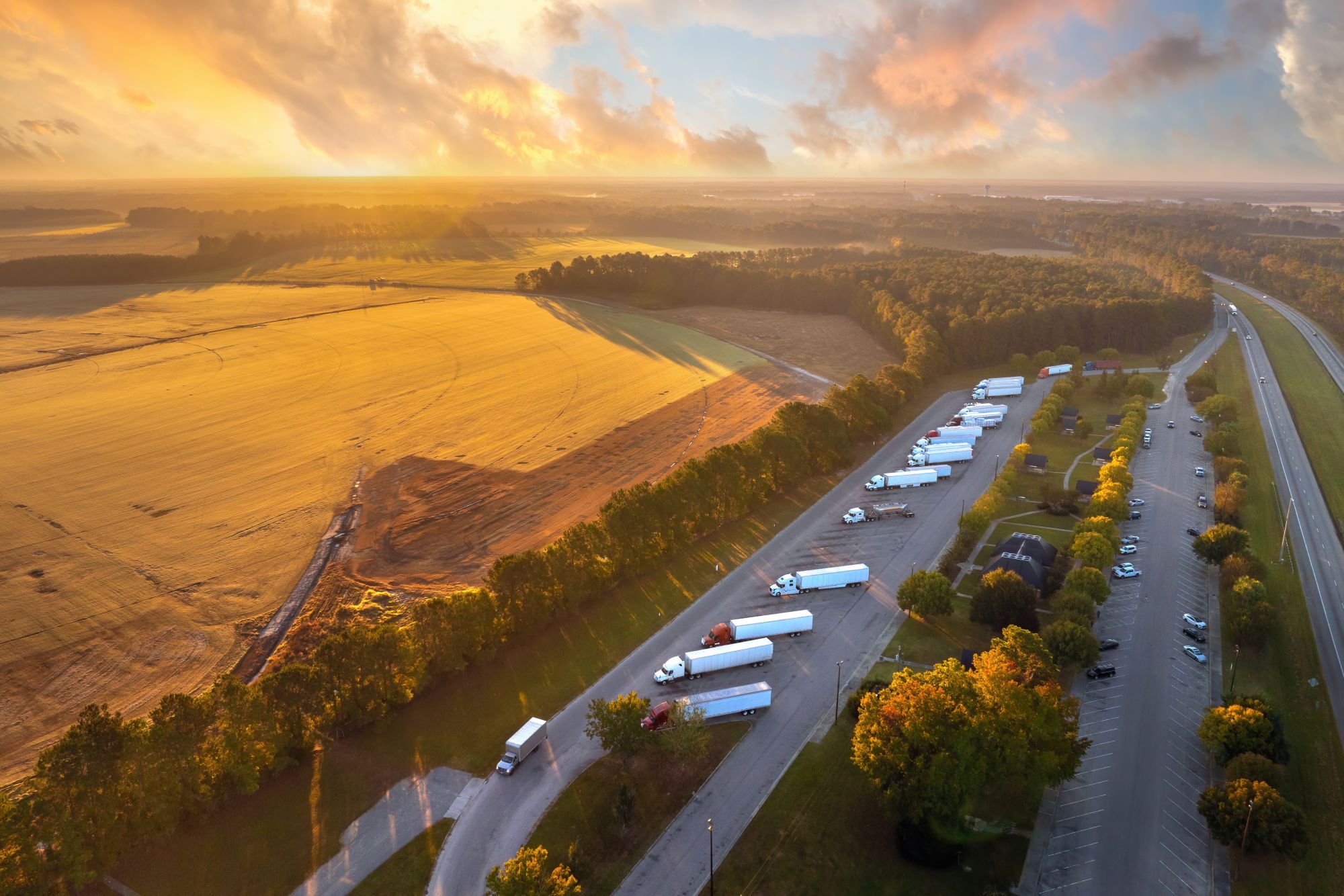
Obtener el carné de conducir es el primer paso hacia la conducción profesional. En el Reino Unido, puedes iniciar el proceso una vez que poseas el permiso normal de categoría B para automóviles. A partir de ahí, solicite un permiso provisional de camión, que le permitirá empezar a formarse en vehículos de transporte de mercancías de gran tamaño.

La propia formación combina elementos teóricos y prácticos: sesiones en el aula sobre seguridad vial y normativa, seguidas de conducción supervisada en vehículos pesados. Los candidatos también deben completar módulos para obtener el Certificado de Aptitud Profesional (CAP), que garantiza que los conductores están preparados no solo para conducir vehículos de forma segura, sino también para gestionar las exigencias cotidianas del transporte.

¿Cuánto cuesta ser camionero?

Una de las preguntas más habituales de quienes se plantean esta carrera es cuánto cuesta la formación de conductor de camión. En el Reino Unido, los precios varían en función del proveedor, la ubicación y si la formación es para obtener el permiso de categoría C o el más avanzado de categoría CE. Por término medio, los nuevos conductores pueden esperar gastar entre 2.000 y 3.500 libras para cubrir las revisiones médicas, las tasas del permiso provisional, los exámenes teóricos, la formación práctica, los módulos del CAP y el examen final de conducir. Algunas empresas, sobre todo las de logística más grandes, ofrecen planes para subvencionar o financiar totalmente la formación a cambio de un compromiso laboral, lo que hace que la ruta sea más accesible.

En el resto de Europa, las cifras no son muy diferentes. En España, la formación completa y la certificación suelen costar entre 2.000 y 3.000 euros. En Polonia, la cifra es inferior, con una media de 1.500 a 2.500 euros. Rumanía tiene uno de los costes de formación más bajos de Europa: muchos candidatos pagan entre 1.000 y 1.800 euros para cualificarse, aunque los salarios iniciales tienden a reflejar esta menor barrera de entrada.

¿Cuánto se tarda en ser camionero?

El tiempo que se tarda en obtener el carné de conducir depende de dónde se haga la formación, del tipo de carné que se quiera obtener y de la rapidez con que se consigan las fechas de examen. En el Reino Unido, la mayoría de las personas completan su formación y aprueban el examen en un plazo de dos a cuatro meses. Algunos cursos intensivos reducen el proceso a unas pocas semanas, aunque muchos conductores consideran que espaciar las clases les ayuda a asimilar mejor los conocimientos.

En España y Polonia, el proceso es similar, aunque las largas listas de espera para las plazas de examen pueden alargar los plazos. En Polonia, la gran demanda de conductores profesionales ha creado cuellos de botella en los centros de formación, por lo que algunos candidatos esperan varios meses antes de realizar el examen práctico. Rumanía tiene una de las vías más rápidas: la formación y el examen suelen completarse en un plazo de ocho a doce semanas.

Y el aprendizaje no termina una vez obtenido el carné. Cada conductor profesional debe completar 35 horas de formación CPC cada cinco años, manteniendo sus habilidades al día y asegurándose de que están preparados para las últimas regulaciones y normas de seguridad.

¿Cuánto tiempo puede conducir un camionero?

Una vez cualificado, el trabajo conlleva límites estrictos de tiempo al volante. Estos límites están pensados para proteger tanto a los conductores como a los demás usuarios de la carretera reduciendo la fatiga.

En el Reino Unido y la UE, las normas son las mismas. Los conductores pueden pasar un máximo de nueve horas al volante cada día, que pueden ampliarse a diez horas dos veces por semana. Los límites semanales se sitúan en 56 horas, con un máximo de 90 horas en dos semanas consecutivas.

Los conductores también deben hacer una pausa de al menos 45 minutos después de 4,5 horas de conducción. También tienen derecho a periodos de descanso diarios y semanales para recuperarse antes de volver al trabajo.

Estas normas se vigilan de cerca, con tacógrafos instalados en los vehículos para registrar las horas y garantizar su cumplimiento. Para quienes trabajan en rutas de larga distancia, como los conductores españoles que cubren la Península Ibérica o los transportistas polacos que trasladan mercancías a través de las fronteras orientales de la UE, estos límites marcan el ritmo del trabajo. Determinan cuándo y dónde paran los conductores, por lo que el acceso a áreas de descanso seguras es una parte vital de la jornada laboral.

Empezar a conducir camiones

Convertirse en conductor de camión no consiste sólo en aprobar los exámenes. Se trata de asumir un papel que conlleva una responsabilidad real, pero también oportunidades a largo plazo. Con el carné adecuado, la formación adecuada y la determinación de afrontar la vida en la carretera, es una carrera que puede proporcionar estabilidad y progresión.

En SNAP sabemos cómo son esos trayectos. Por eso trabajamos con flotas y conductores de toda Europa para hacerlos más seguros, sencillos y cómodos: desde aparcamientos seguros y mejores instalaciones de bienestar hasta herramientas digitales inteligentes que ahorran tiempo y estrés. Tanto si acabas de empezar como si llevas años conduciendo, estamos aquí para apoyarte en cada kilómetro del camino.

Descargue hoy mismo la aplicación intruck para encontrar aparcamientos, instalaciones y servicios de confianza, le lleve donde le lleve su ruta.
Compartir con

Otros también leen...

Header Image

miércoles 25 marzo 2026 • Noticias

CÓMO LOS SISTEMAS PREDICTIVOS CONTROLAN LA INCERTIDUMBRE EN LA ENTREGA

Evelyn Long

Delivery operations rarely unfold exactly as planned. Even the most carefully designed logistics schedules must contend with an unpredictable world. Travel congestion can add hours to a route, severe weather can delay entire regions and a single vehicle breakdown can disrupt dozens of deliveries scheduled throughout the day. When these disruptions occur, they often create a chain reaction that affects drivers, warehouses, customers and operational costs. For companies that operate fleets, whether they deliver packages, medical supplies, food or construction materials, this uncertainty can significantly impact business performance. Missed delivery windows frustrate customers and can damage brand reputation. Delays can also increase fuel costs, overtime pay and operational inefficiencies. In industries where margins are tight, even small disruptions can add up quickly.What makes delivery uncertainty especially challenging is how interconnected modern logistics networks have become. A delay at one point in the system can ripple outward, affecting multiple routes and schedules. Without the right tools to anticipate and manage these disruptions, businesses are often forced to react in real time, which can lead to rushed decisions and inefficient solutions.One of the key technologies helping organisations manage delivery uncertainty is the Internet of Things (IoT). IoT refers to networks of connected devices, such as sensors, GPS trackers and telematics systems, that connect and transmit real-time data from vehicles, equipment and infrastructure. In fleet operations, IoT devices can monitor a wide range of conditions. GPS tracking for vehicles on the road. Engine sensors can track vehicle performance and detect early signs of mechanical issues. Temperature sensors can ensure that sensitive cargo remains within required conditions during transit. Together, these data streams create a detailed picture of what’s happening across an entire delivery network. This level of visibility is essential for managing uncertainty. When managers can see where vehicles are, how they’re performing and whether any issues are developing, they can respond much faster. Instead of discovering a problem hours later, they can address it as soon as the warning signs appear. In many cases, this visibility also feeds into predictive systems that analyse the data and forecast potential disruptions before they occur. While IoT provides the data, AI offers the intelligence needed to interpret it. AI systems analyse large volumes of operational information, including traffic patterns, weather forecasts, vehicle performance metrics, delivery history and route efficiency. By identifying patterns in this data, to occur and recommend adjustments. For example, predictive algorithms can analyse historical traffic conditions along a delivery route and estimate when congestion is likely to occur during certain times of day. If the system detects that a particular route will likely experience delays, it can suggest an alternative path before the driver even leaves the depot. Similarly, AI-driven maintenance systems can analyse engine data and identify early warning signs of mechanical problems, allowing repairs to be scheduled before a breakdown occurs on the road. Predictive systems work best when they combine data from multiple sources and translate that information into actionable insights. In a fleet environment, this often means integrating vehicle telematics, weather data, delivery schedules and live traffic information into a single predictive platform. When all of this data is analysed together, the system early. For example, if a severe storm is forecasted along a delivery route, the network can recommend adjusting departure times or rerouting drivers to avoid affected areas. If sensors detect that a vehicle component is likely to fail soon, it can schedule maintenance during planned downtime rather than allowing a breakdown to disrupt deliveries. Over time, these predictive adjustments make delivery operations smoother and more efficient. Routes become more optimised because the system continually learns from previous trips. Maintenance becomes strategic because vehicles are rather than fixed schedules. Even warehouse operations can improve, since more accurate delivery predictions allow teams to better coordinate loading and unloading processes. Beyond preventing disruptions, predictive systems also help fleets operate more efficiently. Businesses that have access to reliable forecasts and operational insights can plan routes, staffing and vehicle usage with greater precision.For instance, predictive analytics can identify patterns in delivery demand, allowing companies to allocate resources where they’re most needed. If certain routes consistently experience delays during specific hours, schedules can be adjusted to avoid those peak periods. Fuel usage can also be optimised by identifying more efficient routes or driving patterns. Over time, these incremental improvements add up. Vehicles spend less time idling in traffic, drivers spend more time completing deliveries rather than waiting or rerouting, and customers receive more accurate delivery estimates, and satisfaction. Another key benefit of predictive technology is the ability to monitor and control systems remotely. As connected devices become more common, consumers and businesses expect this level of oversight and convenience. A survey found that smart garage door openers consider remote monitoring and control to be a crucial feature. While this statistic relates to residential technology, it highlights a broader shift in expectations. People increasingly value the ability to check on systems, receive alerts and manage operations from anywhere. The same mindset is becoming more important in professional logistics environments. Fleet managers want to see vehicle locations in real time, receive notifications about potential issues and make adjustments without needing to be physically present. Predictive systems support this capability by turning complex operational data into clear, actionable insights that can be assessed remotely. While predictive systems provide clear advantages, they also introduce new considerations that businesses must address. In 2024, the of suspected internet crime. As fleets become more connected and reliant on digital platforms, cybersecurity becomes increasingly important. IoT devices, cloud platforms and AI-driven systems all rely on network connectivity and data exchange. Systems that aren’t properly secured could become targets for cyberattacks. A compromised system could disrupt operations, expose sensitive data or interfere with fleet management tools.Delivery uncertainty may never disappear entirely, but predictive systems are making it far more manageable. By combining IoT connectivity with AI-driven analytics, fleet operators can gain deeper visibility into their operations and anticipate problems before they disrupt schedules. As these technologies continue to evolve, they will play an important role in helping fleet-based businesses reduce uncertainty, streamline operations and deliver a more consistent experience for their customers.Discover more from

Header Image

miércoles 11 marzo 2026 • Noticias

CONSEJOS PROACTIVOS PARA LA SEGURIDAD Y EL RENDIMIENTO DE LA FLOTA EN TODAS LAS ESTACIONES

Guest

Fleet performance rarely unravels overnight. It slips through small oversights — a missed service interval, worn tread or a delayed depot repair. As a UK fleet manager, the cost of reacting late shows up in downtime, higher insurance premiums and risk to your reputation.Your proactive, seasonal strategy protects the vehicles, drivers and infrastructure before temperature-triggered issues escalate. Align maintenance cycles with weather patterns, operational peaks and compliance demands. Your fleet will be steadier, safer on the road and reduce unwelcome surprises.Reactive fleet management costs you more. Emergency repairs can disrupt tight schedules, strain budgets and frustrate even the best drivers. In contrast, effective forward planning can reduce unplanned downtime and extend vehicle life cycles.Predictive maintenance and seasonal checks are strategic in supporting compliance. The Driver and Vehicle Standards Agency can for roadworthiness at any time, not just during the annual inspection. A prevention-first culture demonstrates your team’s due diligence and strengthens your Operator Compliance Risk Score, without warning.Driver retention links closely to this mindset. Vehicles that are reliable in winter, maintain cabin comfort in summer and feel safe in poor weather send a clear message that your organisation values professionalism and safety.Longer daylight hours and increased road activity shift risk profiles. Construction zones expand, cyclists and pedestrians increase and higher temperatures stress mechanical systems.Introduce quarterly automobile network checks before weather changes set in.: Ensure all vehicles’ air conditioning systems operate efficiently. Comfortable drivers remain more alert and calm on long routes and in heavy traffic, while being hot and bothered behind the wheel fosters reckless driving. : Check radiators, coolant levels and hoses. Heat accelerates wear and can trigger overheating if systems run hot due to environmental factors. : Rising temperatures can affect tyre pressure. Confirm correct inflation and inspect for sidewall damage to reduce the risk of blowouts. Hot road surfaces also wear tyre tread more easily, affecting braking capacity. Reinforce safe driving techniques that consider sun glare, roadworks and higher traffic density. Consider installing tinted windshields when drivers face extreme light conditions.Heat amplifies even minor engine weaknesses. Address mechanical safety early, and you'll prevent mid-season breakdowns or disrupted delivery windows.Shorter days, heavy rain and icy surfaces demand that your team is on top of their game. Autumn brings leaves and debris that litter already-slick roadways, and winter compounds the challenge with frost and failing batteries. Prepare before these conditions set in to keep your mobile assets from deteriorating:: Inspect all headlights, brake lights and indicators. Replace worn wipers, top up the windshield washer reservoirs with de-icing chemicals rated for low-temperature use and add anti-freeze to radiators. : Confirm adequate grip depth on all wheels for additional safety on wet and icy roads and consider swapping to winter sets where routes justify the investment. This is also an ideal time to check your fleet’s tyre ages, as no commercial vehicle may be on the road in the UK with ago, which are considered unroadworthy. : Cold weather reduces battery efficiency. Test older units and replace those nearing the end of life. Trickle chargers help maintain truck batteries' charge when drivers must stop to meet their rest requirements. : Low light and adverse weather can trigger anyone's natural sleep instinct, so manage drivers' alertness levels. Review route planning and rest policies to reduce strain or assign two drivers on longer routes.Vehicle readiness supports road safety, yet infrastructure also plays a role. Poor depot lighting, icy yard surfaces or malfunctioning entry points can delay departures and create hazards before trucks even reach public roads.Mobile asset safety starts at the depot. Vehicles often sit for hours in storage yards or warehouses. A compromised facility exposes high-value assets to theft, weather damage and operational delay. Commercial lots or warehouses are vulnerable matter.Rolling doors and access points demand particular attention in the UK’s damp climate. Corrosion frequently begins at exterior door components, affecting guides and structural elements. Over time, degradation can trigger failures that halt departures or compromise security. Noncorrosive rolling doors made with , like stainless steel, provide safety for the fleet’s vehicles and secure valuable manifests at depots.Businesses operating in high-moisture or coastal environments should invest in corrosion-resistant products. Use cleaning agents and lubricants to prevent hinges and mechanisms from seizing up. Functional doors safeguard operations because a primary access door that fails during peak dispatch hours can result in vehicles missing slots and customer confidence slipping. Proactive facility maintenance reduces that risk.Broader property readiness matters, too. Seasonal inspections of drainage, roofing and external lighting strengthen operational continuity at all hours of the day. Thorough winter preparation should prevent structural and water-related damage. Treat your depot as part of the company's mobility ecosystem by securing doors and maintaining clean yard surfaces. Resilient infrastructure protects vehicles before they reach the road.Technology strengthens your seasonal planning. Telematics platforms provide a wealth of information, including identifying braking patterns, fuel efficiency shifts and early warning codes before faults escalate. Advanced driver-assistance systems add further safeguards, particularly in low-visibility conditions.Use AI to help you analyse data and create workflows that meet each season’s changing needs. Data-driven insights inform scheduling. Use analytics to identify recurring battery failures in cold-region trucks or cooling issues during summer peaks. Adjust the fleet's scheduled maintenance according to telematics guidance.Modern trucks with telematics can of data per minute from hundreds of sensors, which is only useful if you have the computing systems to extrapolate findings and trends that inform maintenance and performance schedules.Proactive company asset management evolves beyond checklists. It becomes a continuous improvement process informed by data, temperatures and infrastructure integrity.Seasonal transitions present predictable challenges from heat-stressing engines, cold-draining batteries and moisture corroding structural components. Increased traffic and vehicle use alter risk patterns.Address these variables before they disrupt your team’s operations. Align maintenance cycles with weather trends, reinforce driver training ahead of weather shifts and invest in resilient depot infrastructure.A fleet that anticipates change operates with confidence and performs consistently with improved safety metrics and decreased downtime. Those incremental advantages compound into measurable operational strength.

Header Image

lunes 26 enero 2026 • Noticias

PREPARE SU PRESUPUESTO DE FLOTA 2026 PARA LO (IN)ESPERADO

Guest

Preparing your fleet budget goes beyond simple financial exercises. As a manager, you need strategic oversight to navigate economic headwinds and an evolving regulatory framework. It is essential to prepare your company for unexpected events, as these instances define operational stability and success. Here’s how to build a responsive budget and get ready for future challenges. Being a fleet manager means foreseeing both the predictable trends and significant uncertainties. The following seven strategies are designed to absorb shocks, adapt to change and build resilience. Your budget may have a fixed monetary amount each year. While simple, it could be too static when anticipating unexpected events. Make your financial planning more dynamic by allocating a specific percentage rather than a fixed amount. For instance, your emergency fund could be 5% of the total budget instead of $100,000 annually. Using a percentage is wise because it hedges against inflation. A fixed amount loses purchasing power over the years, whereas a percentage-based fund grows with the budget. You get automatic protection from marketwide surges. Consumer prices in the U.K. , though they can quickly fluctuate due to market conditions. Fleet managers used to determine their budgets based on acquisition prices. Now, they are focusing on budget stability and long-term strategies. Make your process more holistic by managing the total cost of ownership (TCO) and the cost per vehicle over their lifetimes. This approach makes you more meticulous and your budget more dynamic. Mastering TCO involves centralising your data and using dedicated fleet management software. This technology helps your business by and recommending conservation strategies. TCO also enables you to forecast the year for each vehicle based on historical information. Use this to make more informed acquisitions and save money. A volatile economic climate means you need to contain costs. Leverage your company’s position by reviewing supplier contracts and considering renegotiations before renewal. This strategy converts unpredictable expenses into more manageable line items. Your business partner may raise prices on essential goods, so your meetings should lock in prices for tyres and oil. Narrow your negotiation to key areas, such as pricing structure. Your primary focus should be fixed-price agreements for high-volume items and standard labour rates. Savvy fleet managers leverage their spending from the previous year to earn volume discounts and capped increases. These properly managed contracts insulate your business and transfer risk to suppliers. Risk management for your fleet budget also includes insurance optimisation. Managers should turn this annual exercise into an opportunity to protect their business from financial debilitation. The right policy is crucial because it protects against shocks that can result in third-party damage or injury. It also increases predictability by turning repair bills into known variables. Insurance optimisation requires a thoughtful, data-driven process. Give your broker a risk management portfolio to showcase positive trends, such as fewer speeding incidents or less harsh braking. If you have policy excess, ask your insurer to model the premium savings for a higher deductible. Therefore, you can save money on your monthly payment. Maintenance and repairs can be unpredictable and expensive. One breakdown on the M6 could require costly engine work or a transmission replacement. Be proactive by implementing structured service schedules. Beyond the manufacturer's guidelines, you should create detailed plans for each vehicle based on its usage and age. You can dive deeper by including motorway driving and city travel. Your maintenance schedule should also include daily tasks. For example, experts to prevent condensation formation. If the tank is close to empty, sediment buildup and pump damage may occur. Cleaning is another nonnegotiable daily chore, especially when driving over road salts and chemicals. Rinse off dirt and other contaminants before storing vehicles. Accidents are among the most unexpected parts of your fleet budget. Besides the crash, managers must also and solicitor fees. However, proper driver training can mitigate this cost by reducing its frequency. Targeted coaching helps operators understand defensive driving, hazard perception and the specific dynamics of their jobs. Investing in driver training is one element of risk control. Human driving can be unpredictable, but education transforms it into a more consistent variable. By improving your drivers, you also help your insurance premiums. An accident can raise rates, so proper training is one way to control costs. A decrease in incidents can be used as leverage in insurance negotiations. Fleets are becoming more connected as they transform into data hubs. Your vehicles can generate and store vast amounts of information, which is essential for management. However, the connectivity exposes the modern automobile to liabilities. Budget for cybersecurity to protect your assets from digital threats and prepare for the unexpected. Managing this part of your fleet budget involves protecting vehicle systems. You could invest in hardware and software solutions to create firewalls around your GPS and V2X communications. This strategy helps keep your software up to date and protected from external threats. Secure data transmission is another part of preparing for the unexpected. Forward-thinking managers invest in fleet management systems with end-to-end encryption. Before building a resilient operation, it is essential to understand why. You should budget for unexpected events to ensure continuity. If a vehicle breaks down, it could halt operations and delay services. However, planning for these incidents provides a buffer and safeguards your bottom line. All vehicles are subject to failure, so you are preparing for the physical reality. This strategy is also essential for the bigger picture. For instance, economic volatility is a factor outside your control. Sudden inflation, interest rate hikes and price increases are detrimental to static budgets. However, planning for unexpected costs helps absorb them. By accurately forecasting expenses, you build financial discipline and credibility with stakeholders.Building a dynamic budget demonstrates strategic leadership more than defensive measures. As you incorporate wise approaches, you fundamentally shift your organisation’s mindset and promote proactive control. The modern economic climate requires fleet managers to absorb shocks and mitigate asset failure. A strong budgetary framework lets you protect profit margins and guarantee continuity.Discover more from